Why Aerospace & Defense is the future
by Gia Hayes, VP Sales at TTI IP&E Americas
The landscape of military and aerospace engineering is experiencing significant evolution. What was once a tightly defined “Military” segment has evolved into a broad and more dynamic ecosystem better described as Aerospace & Defense. This shift represents a fundamental change in how technology is developed, deployed, and supported across both government and commercial sectors.
At TTI, we have a front-row seat to this evolution. Over the past decade, our partner network has expanded well beyond traditional defense contractors. Today, we support a diverse mix of innovators: commercial space companies pushing the boundaries of orbital logistics, UAV developers redefining reconnaissance and delivery, and hybrid contractors who blend commercial agility with defense-grade rigor.
This diversification has brought new challenges. Procurement models are shifting from long-cycle, spec-heavy contracts to more agile, iterative engagements. Modern warfare demands fluid and responsive mission planning, which evolves in real time, driven by emerging threats, technological breakthroughs, and shifting geopolitical priorities. In this environment, success depends on adaptability, speed, and a deep understanding of both legacy systems and next-generation technology.
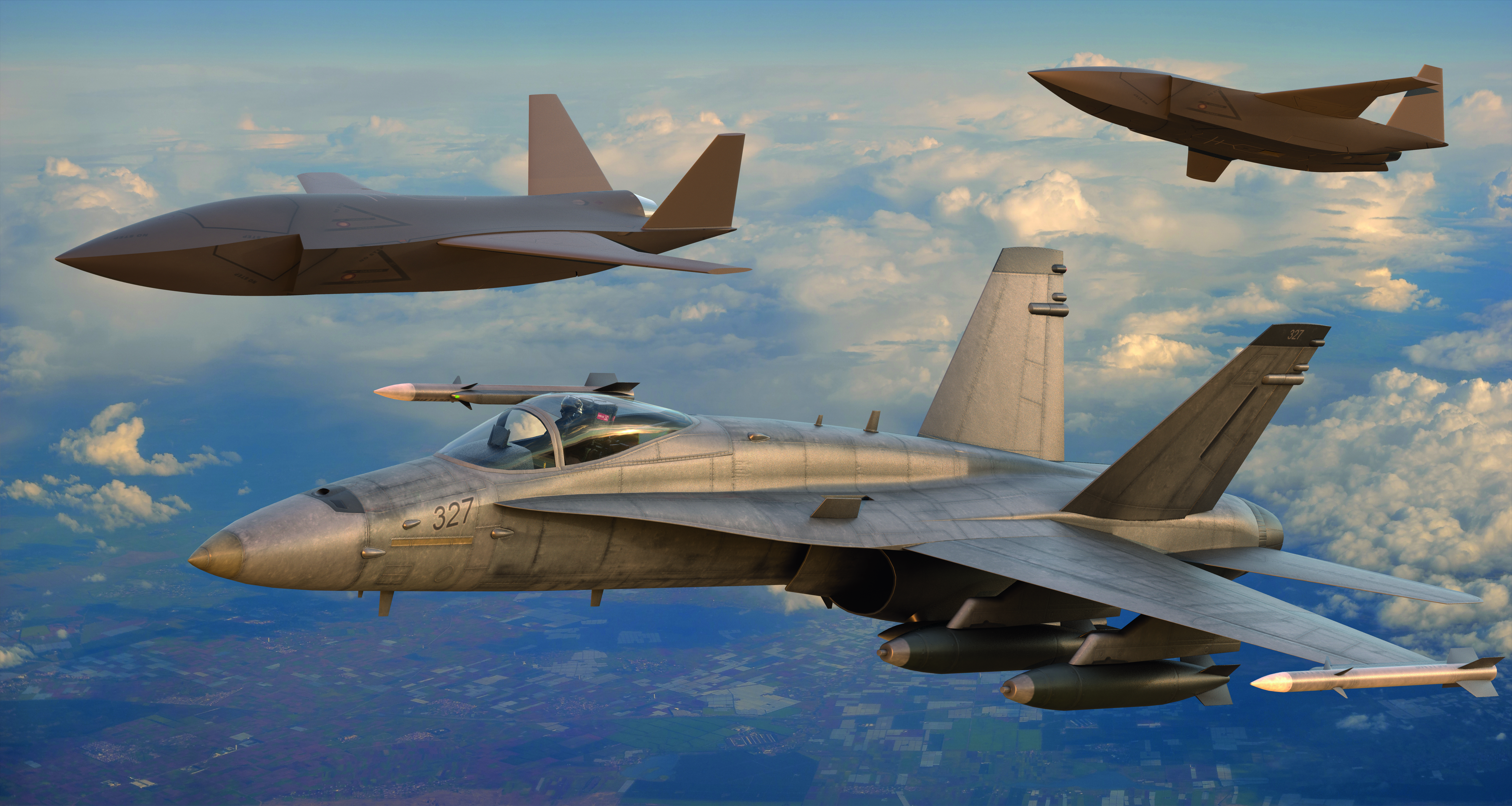
That is why the term Military isn’t sufficient to capture the full scope of what engineers in this space are building. Aerospace & Defense better reflects the convergence of air, space, and ground technologies, as well as the increasingly blurred lines between commercial and defense applications. Whether it is a satellite constellation designed for broadband coverage or a drone swarm for battlefield awareness, the engineering principles are converging, and so are the supply chains.
For engineers, this convergence means designing with greater complexity and foresight. Components must meet stringent reliability standards while also supporting rapid prototyping and scalability. Interoperability, cybersecurity, and resilience to environmental extremes are not just considerations—they are essential to every mission and system. With the rise of modular architectures and open systems, engineers must consider not only individual components but also how those components integrate into broader mission systems.
At TTI, we have adapted to our customers’ evolving needs. We have invested in specialized teams who understand the nuances of aerospace and defense design—from ITAR compliance and MIL-STD specifications to the unique demands of space-rated components. We have also expanded our inventory and supplier relationships to support the full lifecycle of these programs, from early-stage research and development to full-rate production and sustainment.
Above all, we have embraced our role as a strategic partner. Today we work closely with engineering teams to anticipate design challenges, identify qualified alternatives, and ensure continuity of supply in a volatile global market. Our objective is to help engineers stay focused on innovation, not logistics—our goal is to be a trusted collaborator.
As the aerospace and defense industry continues to evolve, the demands on engineers grow more complex and critical. At TTI, we’re proud to stand alongside those redefining what’s possible, no matter if that’s supporting missions in low Earth orbit (LEO) or advancing low-altitude intelligence, surveillance, and reconnaissance (ISR). With the right tools, trusted partnerships, and a shared commitment to innovation, we’re helping engineers navigate this evolving landscape and build lasting solutions that shape the future of flight, security, and exploration.